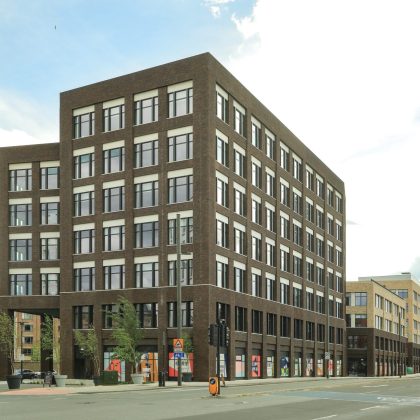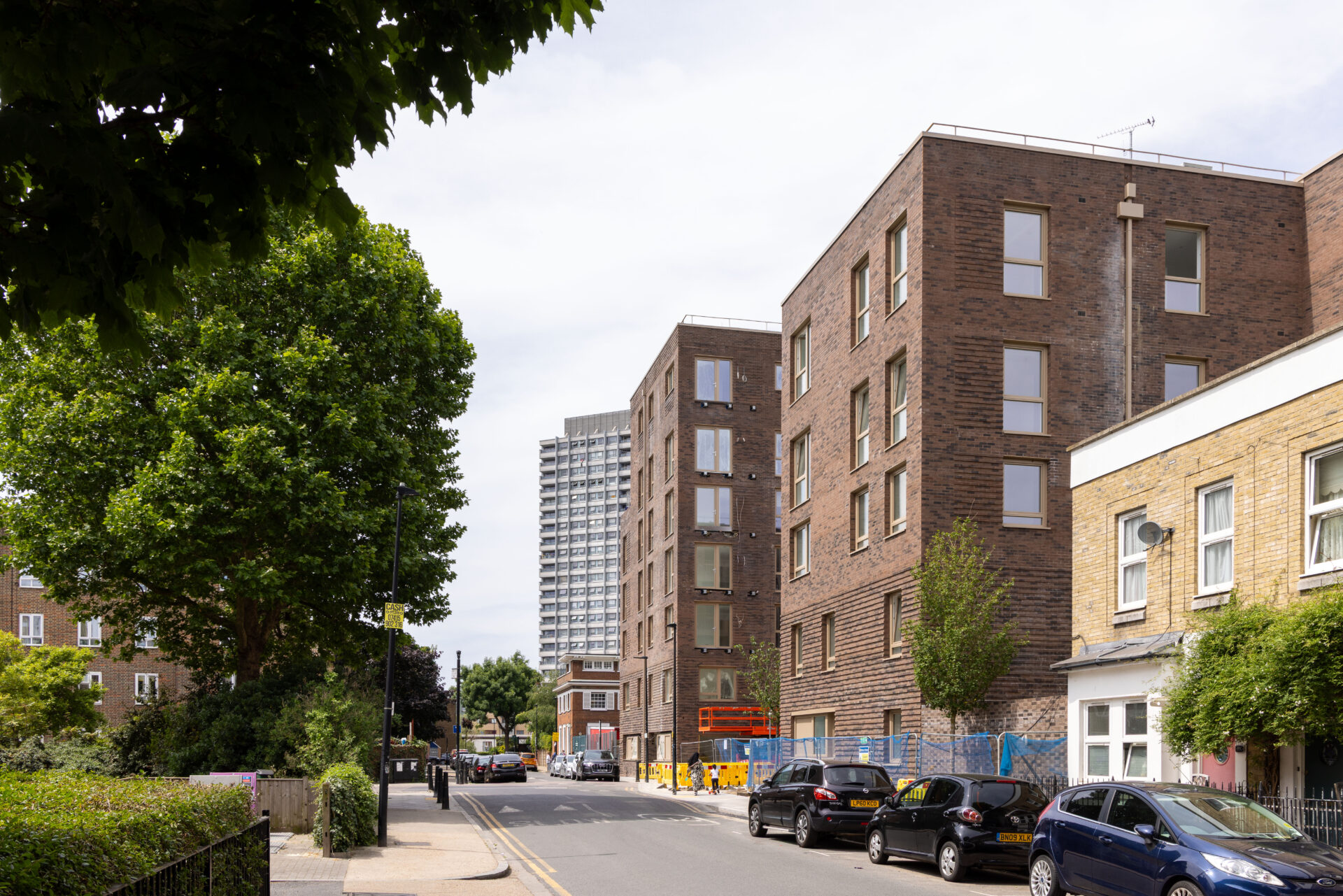
This autumn marked an exciting moment in Muse South’s development of Stoudley Walk in Bromley-by-Bow, as the first affordable homes were handed over to their JV partner, Poplar HARCA. It’s an important milestone not just in the development itself, but in how London can deliver genuinely people-centred housing.
For both Muse and their partners, the priority at Stroudley Walk has been to create homes and neighbourhoods that respond directly to local needs and remove barriers for families.
This new neighbourhood has been shaped carefully around resident needs, thanks to the close involvement of Poplar HARCA and Tower Hamlets Council. With teams working on the doorstep and embedded in the neighbourhood, a detailed understanding of the pressures local families face helped inform fundamental design decisions.
The vision for Stroudley Walk is to deliver high quality new homes for a mixed-income community with 50% of homes provided being affordable. One of the key issues in a borough like Tower Hamlets – the most densely populated and fastest growing in the UK – is chronic overcrowding.
To put it into context, as of July this year, there were over 28,800 households on the social housing waiting list in the borough. That is equivalent to almost one household in every 11.
Among the most groundbreaking aspects of Stroudley Walk is the delivery of purpose-built homes for people with disabilities and for families with autistic children. Since overcrowding is particularly difficult for people with autism, for whom sensory overload can often lead to anxiety and distress, these new homes add vital supply in a borough that needs it most.
Muse’s work at Stroudley Walk is a reminder of something we all understand intuitively: every one of us depends on our home for security, tranquillity and a sense of safety. But for neurodiverse children, the stakes are even higher. When a home is overcrowded or overstimulating, it doesn’t just affect comfort, it can directly impact wellbeing, behaviour, learning and long-term development.
Stroudley Walk shows what can be achieved when design teams, occupational therapists and communities work side-by-side. These homes are not retrofitted compromises, they are purpose-built environments that genuinely support children’s needs, providing room to settle and grow in an space designed with their wellbeing at its core.
Alongside this, Stroudley Walk is transforming what was once a disconnected thoroughfare into a lively, welcoming destination that links homes, schools and local businesses. New public spaces, a reimagined high street, community facilities and cultural features ensure that the people who live here feel rooted and represented in the place.
By combining local insight, community involvement and cross-sector collaboration, the Stroudley Walk project sets a new precedent for inclusive urban regeneration. The first affordable homes may now be complete, but the social impact they unlock is only just beginning.