Community engagement is not a box to tick at the end of a planning process; it is the foundation for creating places that genuinely serve local people and the community. When plans are shaped with the community rather than simply presented to them, the result is better, more inclusive and more sustainable development.
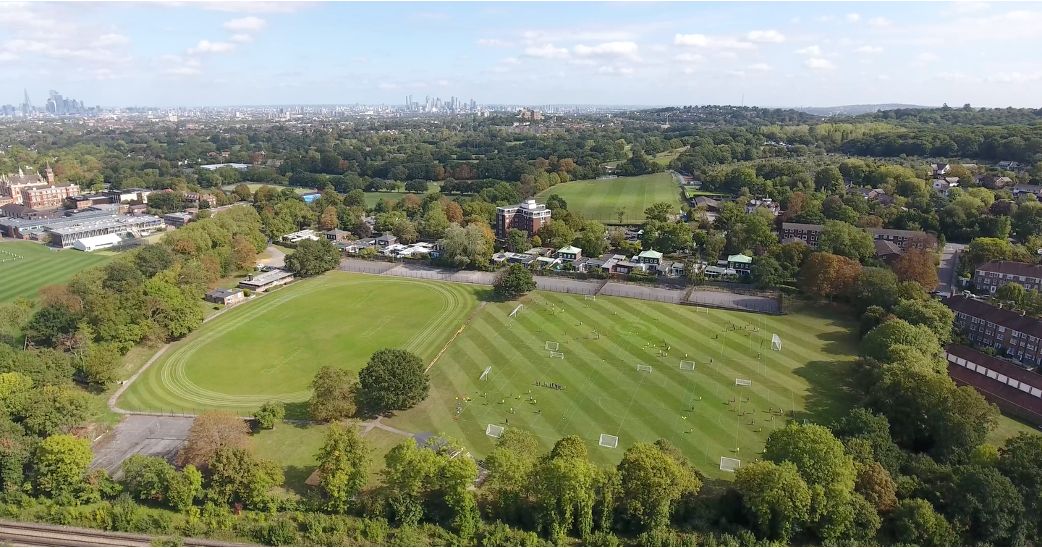
Our recent public consultation on the future of the Mary Datchelor Playing Fields in Dulwich demonstrates this in practice. The site is an important local green space that currently floods for around a third of the year, rendering it unusable for long periods, yet it serves more than 3,500 children from two schools, making it a vital educational and sporting resource. Engagement therefore extended beyond neighbouring residents to include pupils, teachers, parents and the community at large who rely on the fields week in, week out. Their experience of cancelled matches, disrupted lessons and limited seasonal use has been central to shaping the case for improvement.
Through public exhibitions, a Community Liaison Group and direct conversations with neighbours and stakeholders, we sought views not only on the principle of upgrading the facilities, but on how they should be used, accessed and managed in the long-term. The consultation enabled us to identify interest from other local sports clubs, better understand concerns about access, lighting and noise, and gather ideas about how the space could deliver wider community benefit. This ongoing dialogue allows us to refine the proposals in response to what we have heard, and to provide a clear record of how feedback has influenced the evolving design.
Engaging with people at an early stage is essential. Early engagement helps to identify not only potential users, but also local priorities, sensitivities and aspirations that may not be immediately visible to a project team. It provides insight into how a site is currently perceived and highlights concerns that might otherwise go unnoticed. When engagement begins before designs are fixed, feedback can shape outcomes in a meaningful way rather than simply react to decisions that have already been made.
Inviting community members into the conversation also builds trust. It demonstrates that local knowledge and lived experience are valued. Residents often have detailed insight into issues such as access, safety, flooding, wildlife, noise and patterns of informal use. By creating opportunities to share these perspectives, whether through exhibitions or liaison groups, planners can better understand both the challenges and the opportunities associated with a site.
Importantly, consultation helps us to engage with two equally important groups: those who are worried about change and those who are keen to use and support the site, pupils and broader community. Both perspectives matter. Addressing concerns transparently can reduce conflict and strengthen proposals. At the same time, identifying individuals and organisations who want to use the space, whether sports clubs, community groups or informal networks, ensures facilities are designed to meet genuine demand and deliver lasting community benefit.
Ultimately, meaningful community engagement leads to better planning outcomes. It ensures schemes reflect local need, strengthens accountability and increases the likelihood that improved spaces will be well used, well managed and well cared for. Involving communities early and openly makes planning a partnership rather than another tick in the box.