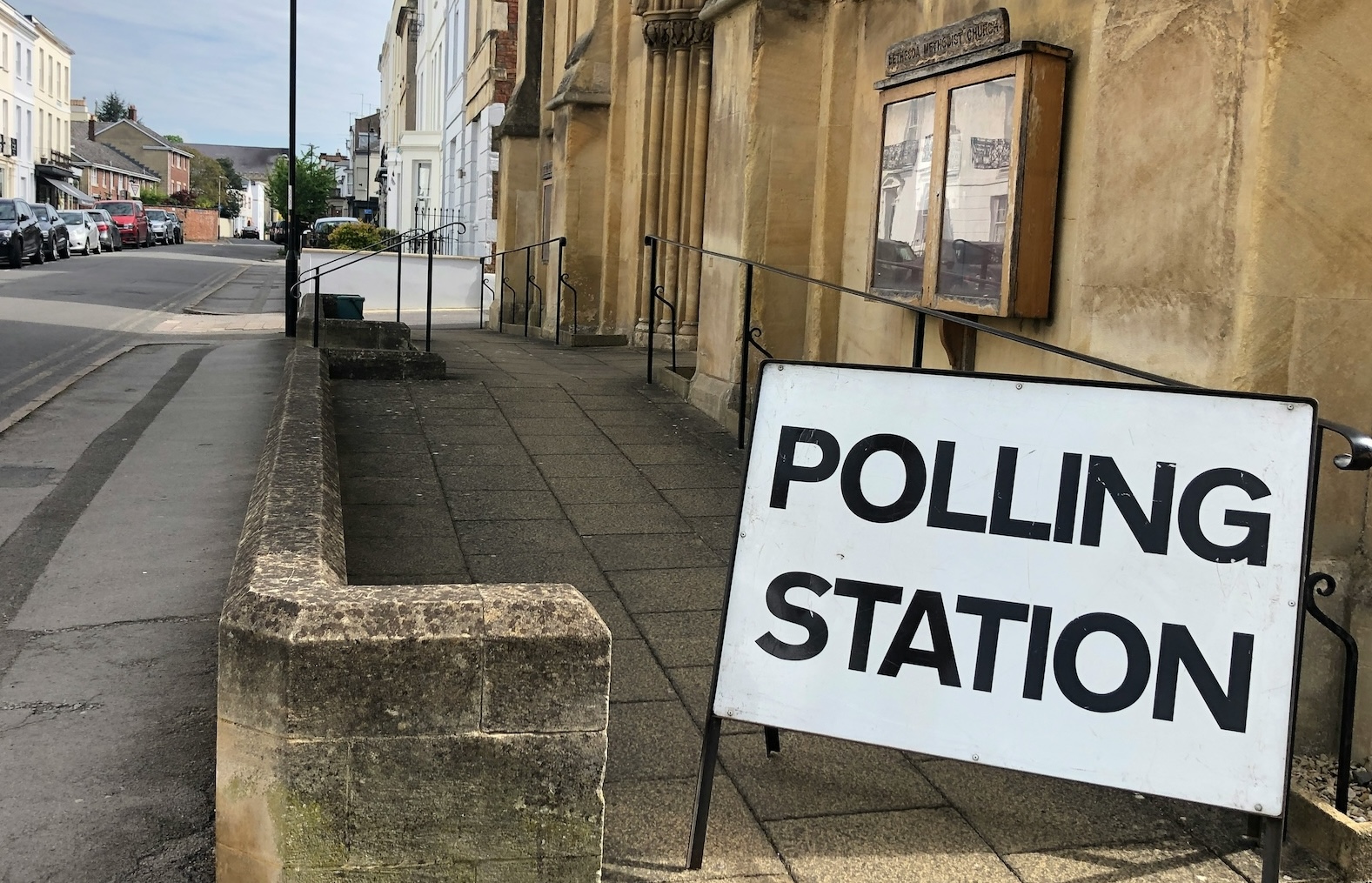
Polling stations are open in Gorton and Denton today in what is shaping up to be one of the most closely watched by-elections of this Parliament.
While by-elections don’t usually change the inner workings of Westminster, this one is particularly significant.
A genuinely three-way contest, recent polling (Opinium) places Labour and the Greens on 28% and Reform on 27%, with no party falling behind.
For Labour, a positive result will be read as a test of resilience following a challenging few months nationally. Tactical voting patterns, particularly between Labour and the Greens, will be closely scrutinised, as they may offer insight into how progressive votes consolidate (or fragment) in marginal seats. A loss would also be scrutinised with a question of whether selecting Greater Manchester’s mayor, Andy Burnham, might have secured the seat. Enemies of the Prime Minister might say the seat was lost due to personal interest but arguments by allies would argue that potentially losing Gorton and Denton was always a preferred option versus potentially losing Greater Manchester in a mayoral election if Andy Burnham won the seat.
For Reform, the by-election is another opportunity to demonstrate that recent polling strength translates into votes. But, a bad result could hurt their momentum. While they won Runcorn and Helsby in May 2025 by just 7 votes, they lost the Senedd by-election for Caerphilly in October to Plaid Cymru, a Labour seat that many pollsters expected them to win comfortably. Another loss may start to make them look like volume over votes.
And, for the Greens, who have made significant strides in popularity in recent months, a strong performance would further entrench them as a credible electoral force amongst left-wing voters beyond their traditional strongholds. The implications of a loss will depend on their voter share. If it’s a close-run contest, the Greens will be buoyed by their performance even if they don’t win the seat. If the gap is much wider, questions will be raised on what more they can do present themselves as a credible vote winner.
Why does this matter for the property and regeneration sector?
For organisations delivering long-term development and regeneration programmes, understanding these political undercurrents is essential. Electoral volatility can reshape policy emphasis, particularly in areas such as affordable housing, green development standards and town centre renewal.
Regardless of the outcome, this by-election is another marker of a more fragmented and competitive political environment. For those operating across the public-private interface, political awareness is no longer optional, it’s part of effective delivery.
We’ll be watching the results closely and considering what they may signal for the months ahead as the May local elections approach.
If you have projects that might be affected by political changes in the coming months, please contact me at Edward.poynton@coverdalebarclay.com and we can discuss how we could help.